
Quick answer: The best reading nook ideas for a Canadian winter start with light, not furniture. Put the chair beside a window rather than facing it, about 30 cm (12 in) back from cold glass, add a warm 2700K lamp at your shoulder, and hang an arched mirror on the wall that meets the window wall so it bounces the short afternoon daylight, and the lamplight after dark, back into the corner. Above a single armchair, a 48 x 28 in (122 x 71 cm) mirror hung 15 to 25 cm (6 to 10 in) above the chair back suits most nooks; a 32 x 20 in (81 x 51 cm) fits a tiny window-seat wall, and a 70 x 30 in (178 x 76 cm) on its floor stand can stand in an empty corner and do the work of a second window.
From mid-November to February, the sun sets between about 4 and 5 p.m. in most Canadian cities, so a reading corner gets an hour or two of real daylight on a weekday and spends the rest of the evening under a lamp. Most reading nook guides show a chair, a stack of books and a throw, but few explain where the chair, the lamp and the mirror should go so the corner stays bright on a grey January afternoon, or how big the mirror should be. Here's a practical plan with a size chart in centimetres and inches, a worked hanging example and nine ideas for condos, bedrooms and living rooms.
Why a Mirror Belongs in a Winter Reading Nook
- It borrows daylight. A mirror on the wall beside a window catches light coming in at an angle and spreads it deeper into the corner, which matters most on short, overcast days.
- It doubles the lamp. After sunset, the glass reflects a warm reading lamp or a string of fairy lights, so the corner glows instead of sitting in a pool of light surrounded by dark walls.
- It makes a tight corner feel open. In a condo or a small bedroom, a mirror behind or beside the chair makes the nook read as a little room rather than a dead end.
- It adds architecture. An arched windowpane mirror looks like a second window, which is exactly the mood a reading nook needs in a long winter.
Start With Light: Window, Lamp, Mirror
Get the light right first and the furniture almost places itself.
- Window beside you, not in front of you. Sit with the window to your side so daylight falls across the page without glare in your eyes. Over your non-writing shoulder is ideal.
- Pull back from cold glass. Leave about 30 cm (12 in) between the chair and a window. Older Canadian windows give off a cold downdraft in January, and that gap keeps the chair comfortable.
- Keep heaters clear. If an electric baseboard heater runs under the window, keep the chair, throws and cushions well clear of it and follow the clearance on the heater's label.
- Add a warm task lamp. A floor or table lamp with a warm 2700K to 3000K bulb, placed beside or slightly behind your shoulder, with the bottom of the shade roughly at eye level when you're seated.
- Then place the mirror where it can see the window or the lamp from your seat, using the chart and rules below.
Reading Nook Mirror Size Chart
Measure the chair, bench or clear wall first. Above seating, aim for a mirror about two-thirds to the full width of the seat. Sizes are height x width.
| Reading nook | Seat or wall width | Mirror size | How to place it |
|---|---|---|---|
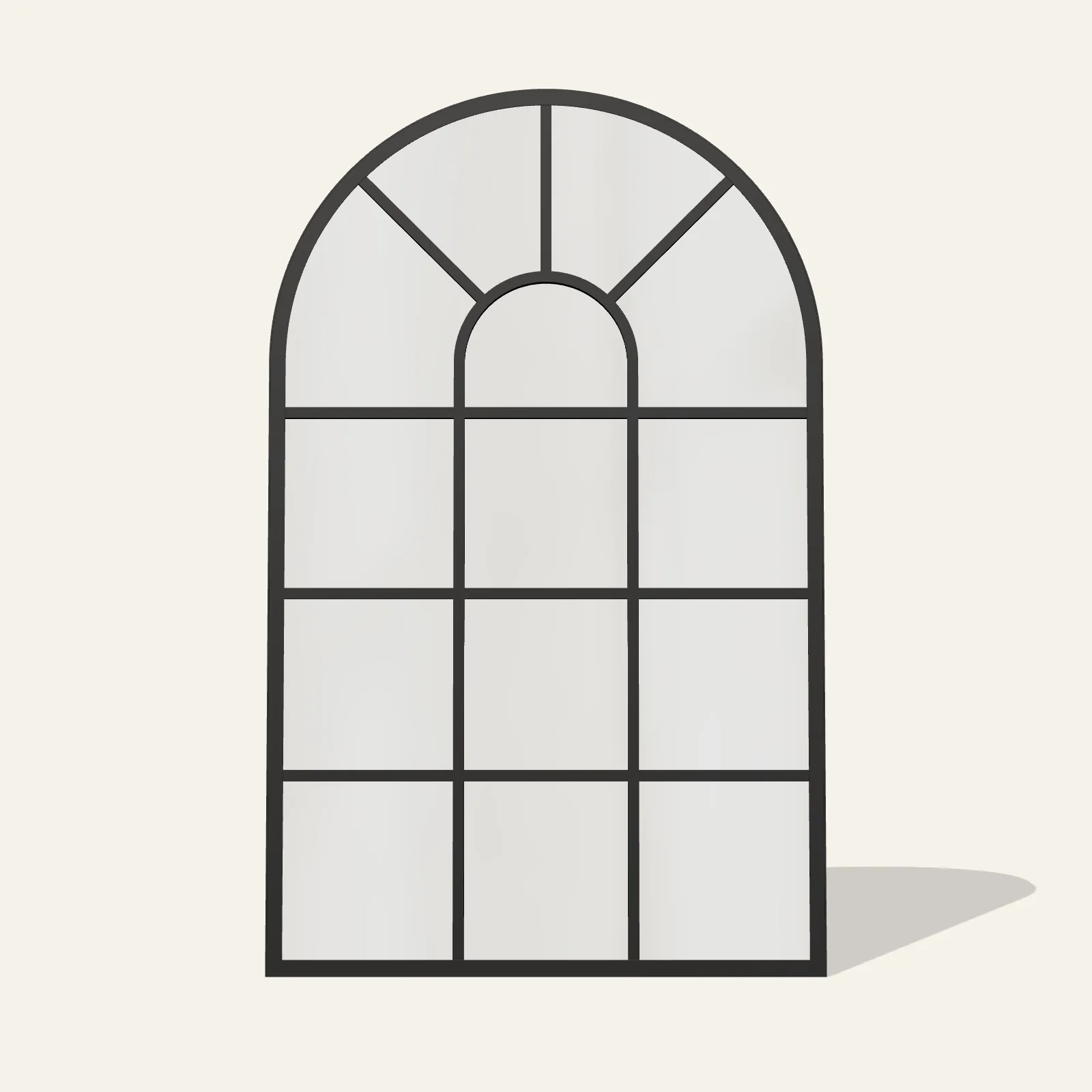
| Tiny window seat or narrow side wall | 60 to 90 cm (24 to 36 in) | 32 x 20 in (81 x 51 cm) | On the side wall next to the window, centre about 145 to 152 cm (57 to 60 in) from the floor, or 15 to 25 cm above the cushion |
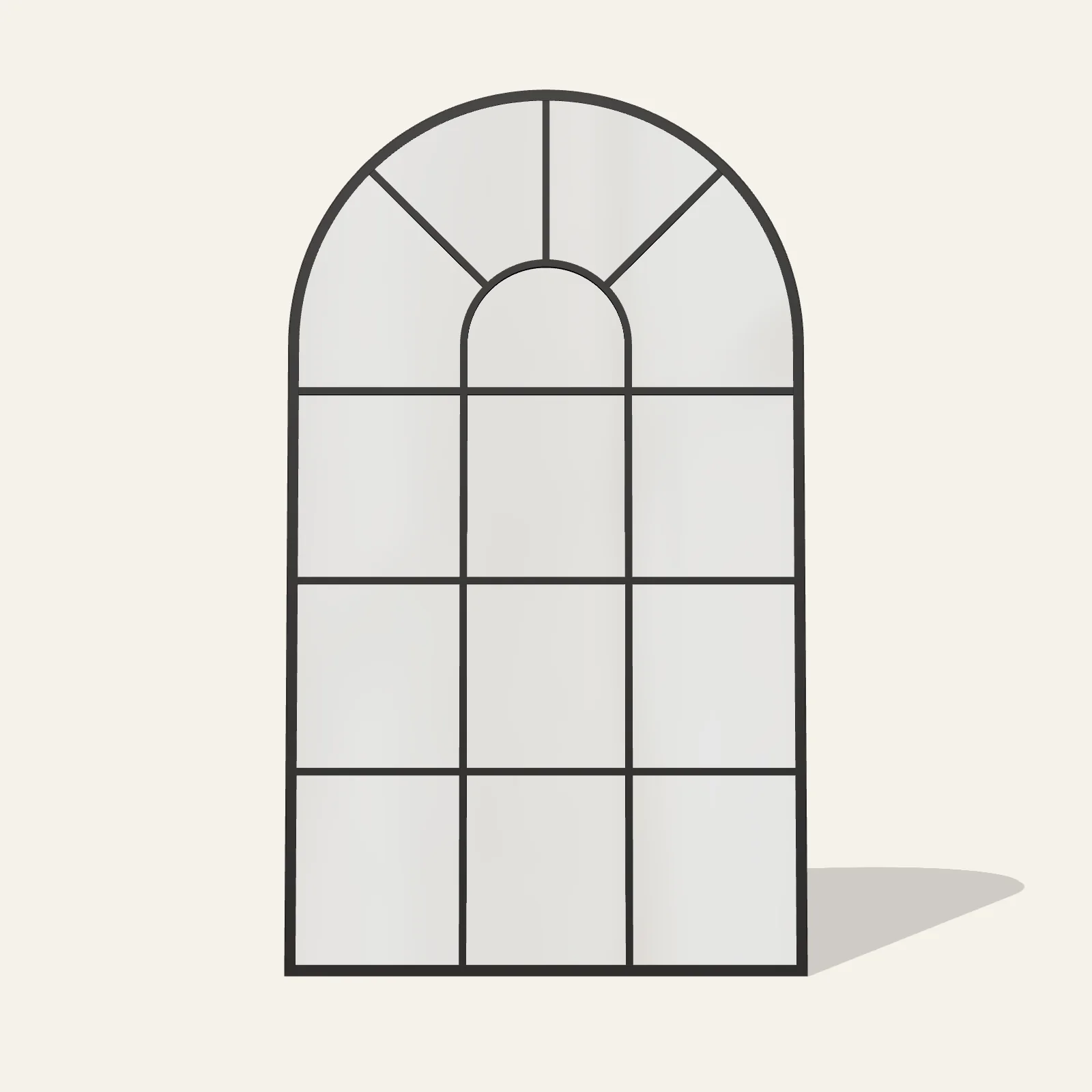
| Single armchair against a wall | 75 to 95 cm (30 to 37 in) | 48 x 28 in (122 x 71 cm) | Bottom 15 to 25 cm (6 to 10 in) above the top of the chair back |
| Loveseat or window bench | 120 to 150 cm (47 to 59 in) | Two 32 x 20 in (81 x 51 cm) with a 10 to 15 cm (4 to 6 in) gap | Bottoms level, 15 to 25 cm above the seat back or the bench cushion |
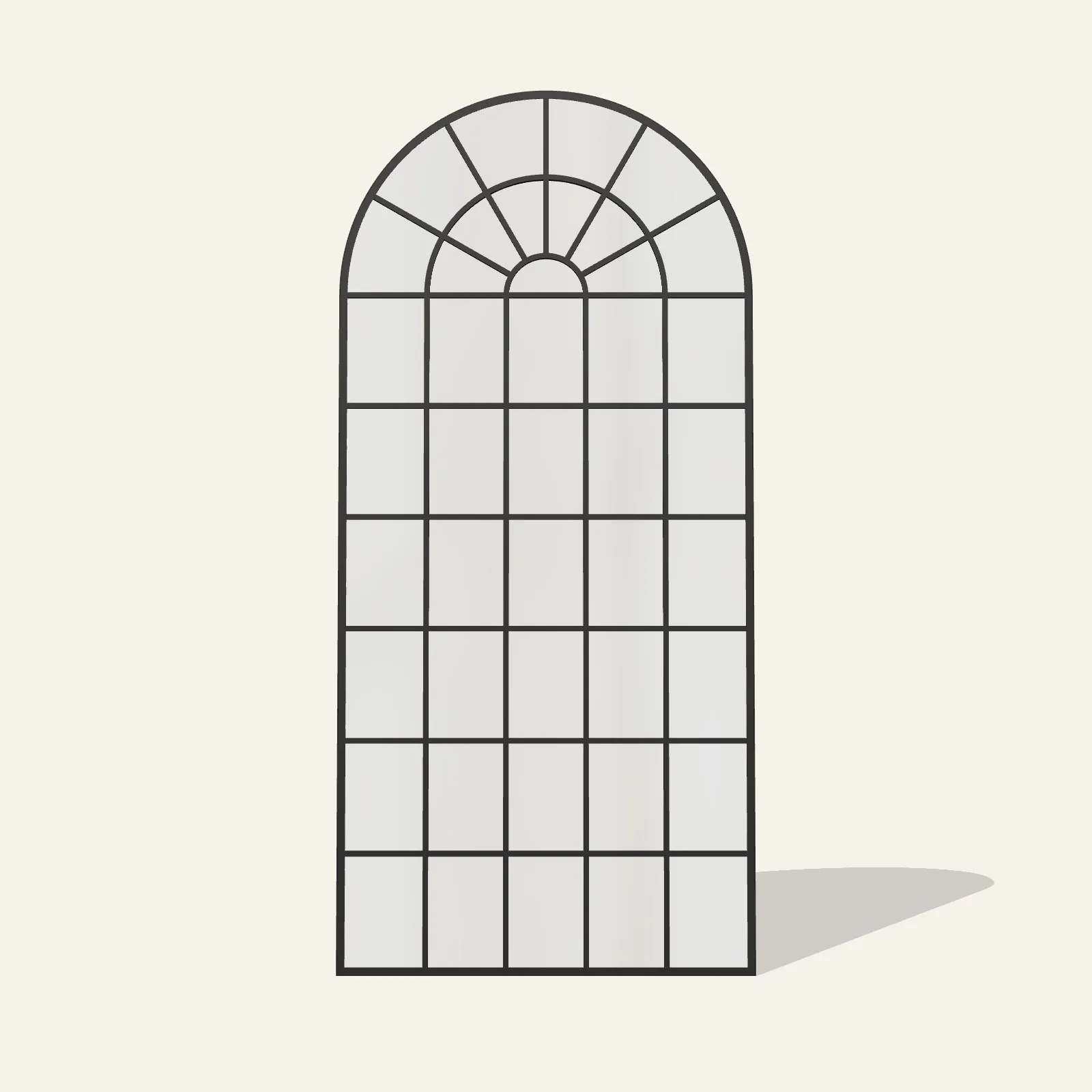
| Narrow wall beside the chair | About 80 to 100 cm (31 to 39 in) of clear wall | 64 x 30 in (163 x 76 cm) | Hung vertically, bottom about 30 to 45 cm (12 to 18 in) above the floor, facing across the chair toward the window |
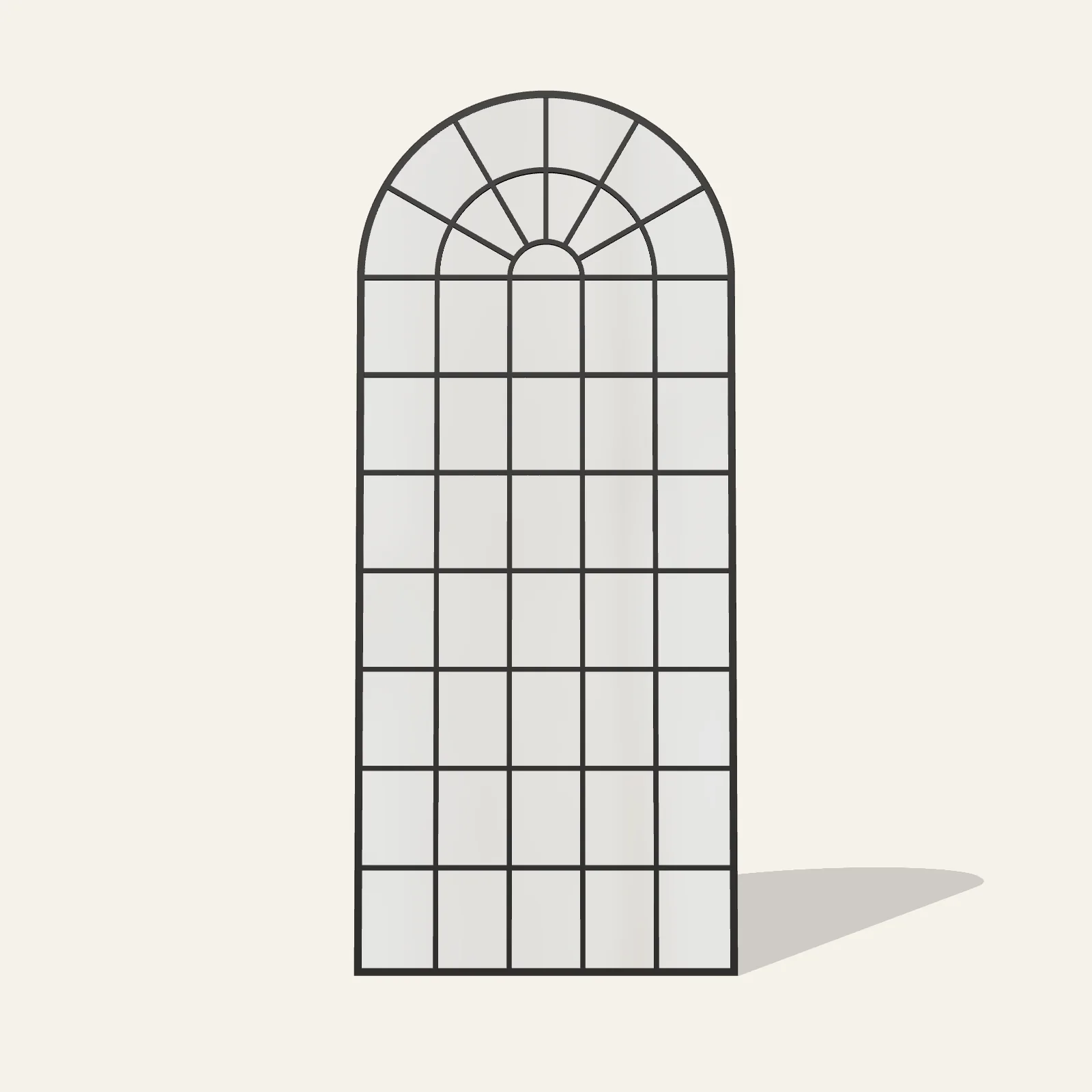
| Empty corner next to the chair | About 76 cm (30 in) of wall | 70 x 30 in (178 x 76 cm) on its floor stand | Angled slightly toward the window so it throws light into the corner |
How High to Hang a Mirror Above a Reading Chair
Above a chair, the mirror should feel connected to the seat but sit high enough that your head never touches the glass when you lean back. Leave 15 to 25 cm (6 to 10 in) between the top of the chair back and the bottom of the frame; a wingback or a tall headrest needs the higher end of that range.
Worked example: 48 x 28 in above an 85 cm armchair
The armchair is 85 cm (33 in) tall at the back and 85 cm (33 in) wide. A 48 x 28 in (122 x 71 cm) mirror is about 84 percent of the chair's width, so it reads as one unit with the chair. With a 20 cm (8 in) gap, the bottom of the frame sits at 105 cm (41 in) and the top of the arch at about 227 cm (89 in). On a typical 259 cm (8.5 ft) condo ceiling, that leaves about 32 cm (13 in) of wall above the arch. If your ceiling is 244 cm (8 ft), drop the gap to 15 cm (6 in) or switch to a 32 x 20 in.
Quick hang checklist
- Cut a kraft-paper template the size of the mirror and tape it up with painter's tape.
- Sit in the chair at about 4 p.m. and again after dark, and check what the template position would reflect.
- Measure from the top of the frame down to the hangers on the back and mark through the template.
- Use a stud where you can, or the wall anchors and screws included with the mirror. Condo drywall over metal studs may need different anchors, so check before drilling.
- Level it, peel off the template, then bring the chair back into place.
Where to Put the Mirror in a Reading Nook
- On the wall that meets the window wall. A mirror at a right angle to the window catches light coming in sideways and spreads it across the nook. Directly opposite the window, it can throw glare onto your page.
- Behind the chair, for depth. Above the chair back, the mirror opens the wall behind you and reflects the room you're facing, which makes a tight corner feel larger.
- Facing the lamp, not the clutter. Check that the glass shows the lamp, the window or a bookshelf from your seat, not the laundry basket, the TV or the hallway.
- Away from your eye line when reading. You shouldn't see yourself in the mirror from the chair. If you do, shift it 20 to 30 cm along the wall or hang it a little higher.
9 Reading Nook Ideas for Canadian Winters
1. The classic armchair corner
An armchair in the corner beside a window, a small side table, a warm lamp and a 48 x 28 in arched mirror above the chair. It's the simplest reading nook and it works in almost any living room.
2. A window seat with a mirror on the side wall
If you have a bay window or a deep sill, add a cushion and pillows, then hang a 32 x 20 in mirror on the short side wall. It reflects the view and the snow light back along the seat.
3. A condo reading nook in a living room corner
No spare room? Turn a chair slightly away from the TV toward the window and stand a 70 x 30 in mirror on its floor stand in the corner behind it. The corner becomes a destination without any drilling.
4. A bedroom reading nook
A slipper chair or a small loveseat at the foot of the bed or beside the window, with a mirror above, gives you somewhere to read that isn't the bed. Keep the lamp on a timer so it's lit when you walk in on a dark evening.
5. A reading corner in a basement or windowless room
Without a window, a tall mirror on the wall facing the doorway borrows light from the next room. Pair it with a warm floor lamp and a second soft light behind a shelf. For more on dim rooms, see our guide on how to brighten a dark room with mirrors.
6. A tall mirror on a narrow wall
Where the chair fits but the wall beside it is narrow, a 64 x 30 in mirror hung vertically makes the nook feel taller and catches light across the whole height of the window.
7. A cozy layer for January
A wool throw, a sheepskin or a thick knit cushion, a footstool for boots-off evenings and a tray for tea. Keep it to two or three textures so the corner stays calm.
8. One small shelf, not a library
A floating shelf or a narrow bookcase beside the chair holds the books you're actually reading. A mirror reflects the spines and lamp glow, and the nook feels full without extra furniture.
9. A reading nook for kids
A floor cushion, a low book ledge and a 32 x 20 in mirror hung with its bottom about 45 to 60 cm (18 to 24 in) above the floor so children can see the room in it. Hang it securely with the included hardware and keep it out of the way of play.
Our Mirror Picks for a Winter Reading Nook
It uses 3 mm mirror glass with a safety backing film. Salkala Decor offers free delivery across Canada and the USA and a 1-year frame warranty.
- Above a single armchair: the 48 x 28 in (122 x 71 cm) large black arched windowpane mirror is close to the width of most armchairs and leaves room above it on a condo ceiling.
- For a window seat or a tiny side wall: the 32 x 20 in (81 x 51 cm) black arched window mirror also works as a pair above a loveseat or bench.
- For a narrow wall beside the chair: the 64 x 30 in (163 x 76 cm) tall black arched windowpane mirror adds height and catches light across the window.
- For an empty corner: the 70 x 30 in (178 x 76 cm) arched floor mirror with a stand can hang, lean or stand on its detachable floor stand.
Want the whole room to feel warmer through the winter? See our tips on cozy living room ideas for a warm winter glow.
The Short Version
For reading nook ideas that work through a Canadian winter, plan the light first: sit beside the window, about 30 cm (12 in) back from the glass, add a warm 2700K lamp at your shoulder, and hang an arched mirror on the wall that meets the window wall or above the chair. Use a 48 x 28 in (122 x 71 cm) 15 to 25 cm (6 to 10 in) above a single armchair, a 32 x 20 in (81 x 51 cm) on a window-seat wall, a 64 x 30 in (163 x 76 cm) on a narrow wall and a 70 x 30 in (178 x 76 cm) on its stand in an empty corner. Keep heaters clear, keep the glass facing light rather than clutter, and the corner stays bright long after the 4 p.m. sunset.
About this guide: written by the Salkala Decor team using widely used interior design hanging guidelines and the published dimensions of our own mirrors. Measurements are rounded for planning; always check your walls and fixings before installing.