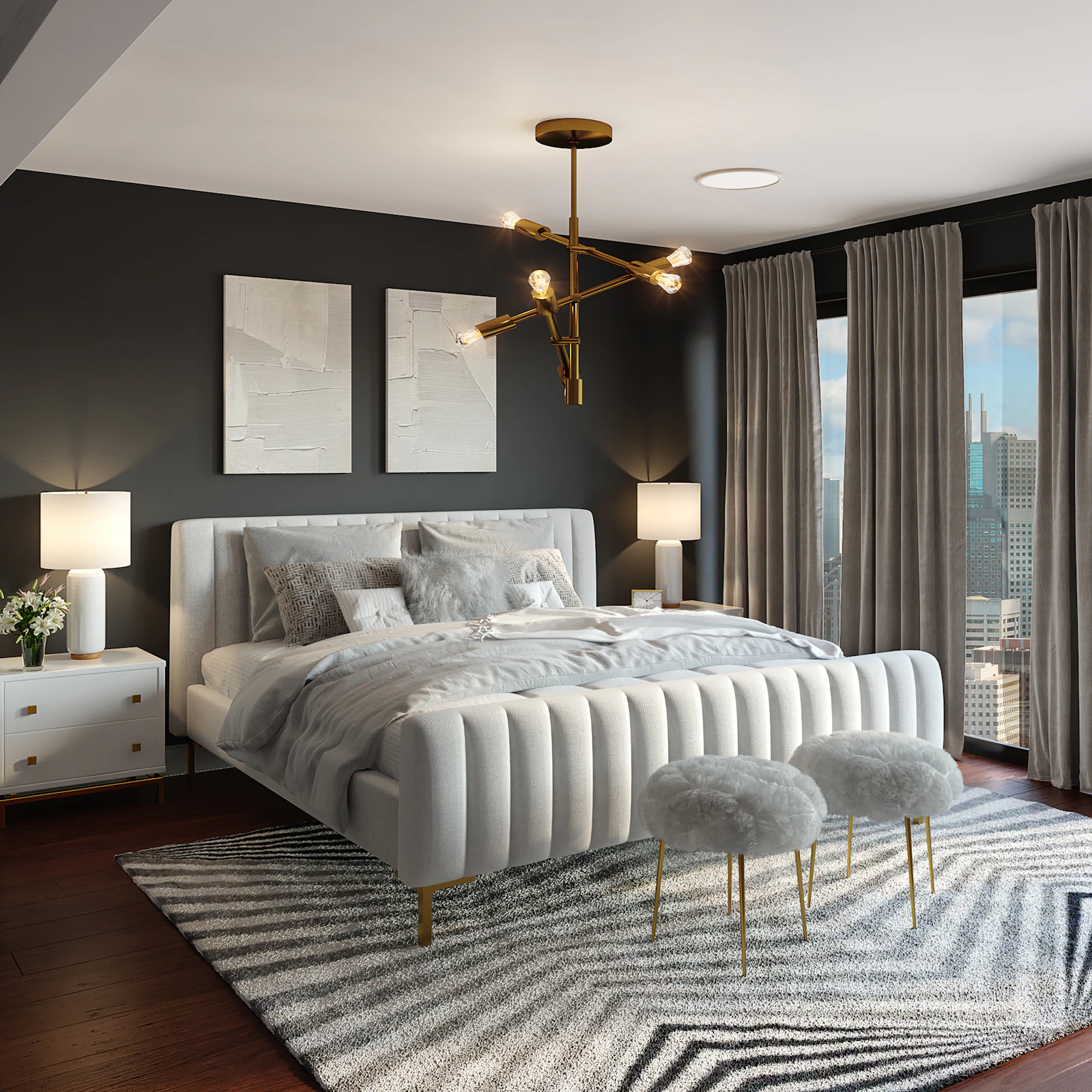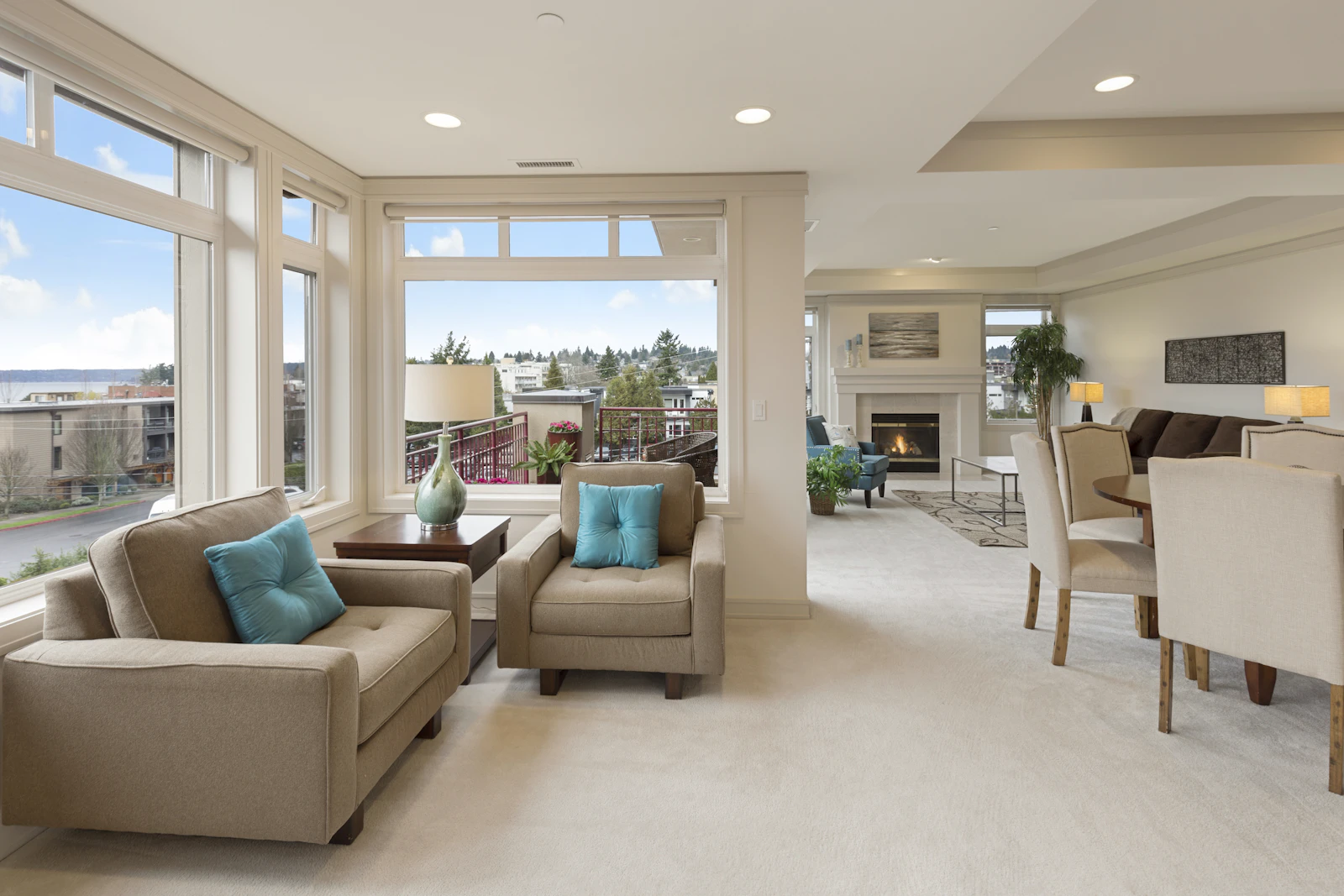
The physics of it are simple: a mirror reflects roughly 90% of the light that hits it. Hang one in the right place and a small room instantly reads as bigger, brighter, and more expensive. Here are the five techniques designers use most.
1. The opposite-window trick
Position a large wall mirror on the wall directly across from your biggest window. The mirror will reflect the outdoor light and — critically — the outdoor view, creating the illusion of a second window. In a 10×12 studio, this single move can make the room feel like a 12×14.
Best mirror shapes for this: arched or window pane, because their proportions match a real window.
2. Go bigger than feels comfortable
The single most common mistake in small-space design is choosing a mirror that's too small. A postage-stamp mirror on a big wall looks lonely; a 48-inch mirror on the same wall looks intentional. When in doubt, go one size up.
3. Lean, don't hang
A floor-length arched mirror (70×30 or bigger) simply leaned against the wall reads as designer, not lazy. It also visually adds vertical height to the room. Just bracket it to the wall at the top edge for earthquake/child safety — takes 30 seconds.
4. Mirror-and-art gallery walls
Instead of a single mirror, combine one medium arched mirror with 3–4 framed prints in a loose grid. The mirror reflects the art and multiplies visual interest — great for narrow hallways.
5. Multiple mirrors as light multipliers
In genuinely dark rooms (basement bedrooms, north-facing kitchens), place one mirror opposite each artificial light source. The compounding reflections can lift ambient brightness by 30–40% with zero electrical work.
Our arched and window pane wall mirrors are designed with exactly these small-space use cases in mind. Free USA delivery, 30-day returns.